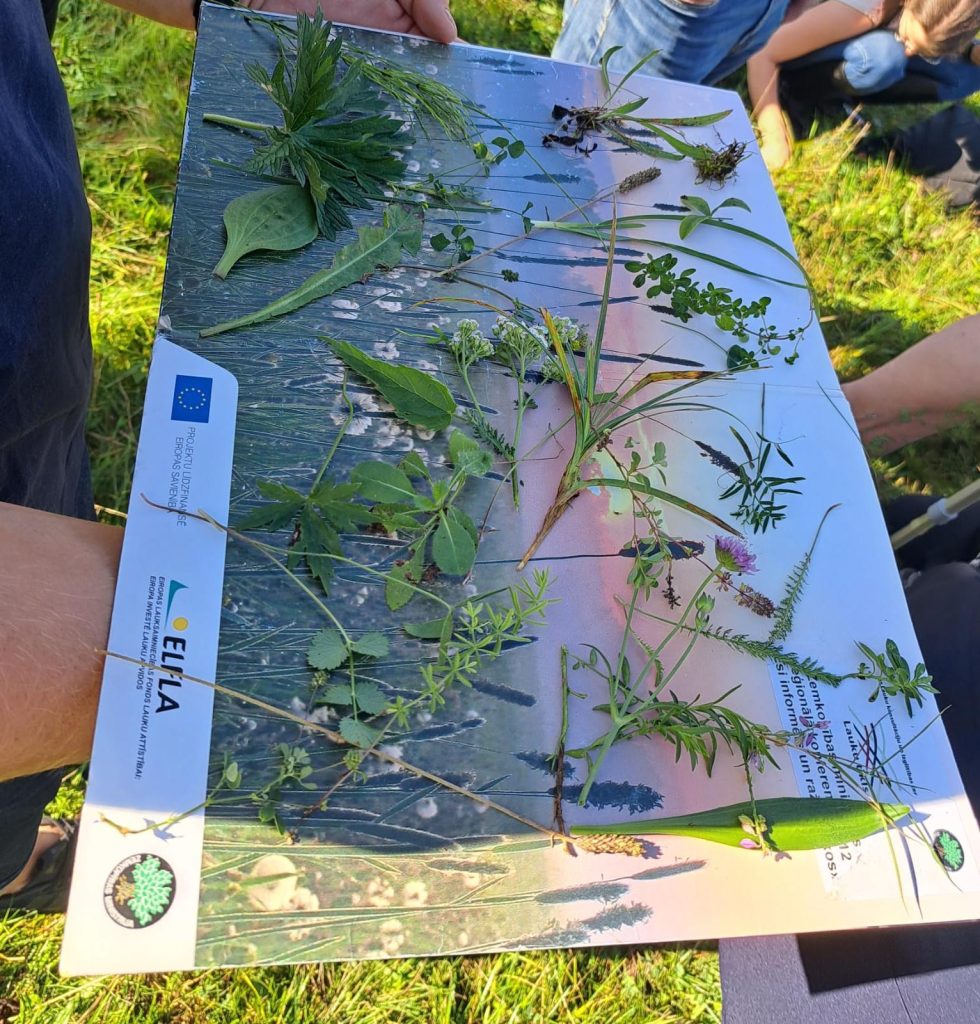
Natural meadows – story of the history of Latvian farming
In Latvia from all agricultural land only 3% covers natural grassland and pasture. There is also a growing number of people in whom the preparation of forage was hand-to-hand, who still remember the scent of the natural grassland.
During the four generations, because of the various historical milestones of our land and the agricultural policy that has been driven, we have so much harmed the nature that several areas have become critical, even irreversible. If in the thirties of the last century, natural grassland was 30 % of total areas of the territorythen they are now approximately 0.71 TP1T. Consequently, there is a risk of losing the greatest wealth of Latvia – natural diversity. The natural grassland expert in May Medne, in one of the interviews, said very briefly and precisely in one sentence the essence of natural grassland: “it is a story of the history of Latvian farming”.
What is to be done, or what is being done to improve the situation? Natural grassland can only be preserved if they are managed correctly. We should think about the value of natural grassland and pastures. Especially at the moment when such a topical issue is about climate change. Several shares have been held. The Latvian Natural Fund called for seniors to participate in the collection of wild plant seed in summer, a special seed collection masterclass was organized. Two years ago, the natural grassland seeds were sown in 700 lawns. Latvian small crowds have also participated in seed collection. Every citizen may participate in these shares. However, there are several conditions for restoring or creating a new natural grassland.
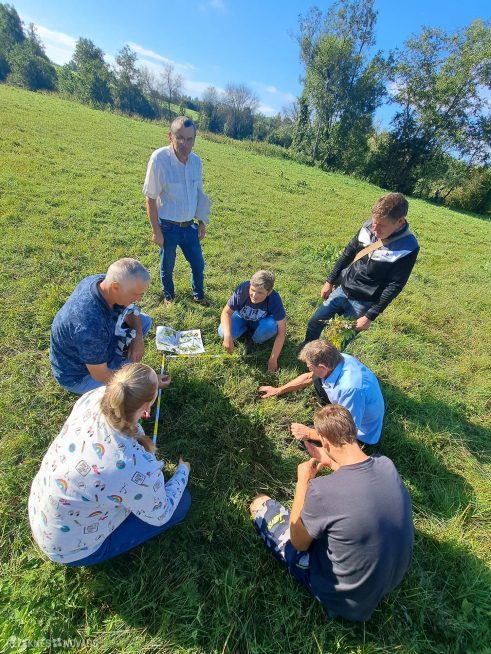
Operators of natural grassland and grazing land in which habitats of European Union importance are located may qualify for payment of the aid in the rural support service. In order to receive it, a two-day training course must be completed. One of the grassland experts who conducted the training in Rezekne's consultancy office was the Nature Expert Renata Kaupuja. Knowledgeable, attractive. An interesting conversation about this topical topic was made with him.
Is not overdue for the preservation of grassland?
- Ir to misss, however, it is never too late improve the situation. Latvia reports a report to the European Union once every six years on the state of protection of habitats (habitats) and species in Latvia. Assessment of the state of protection for most grassland habitats is negative: bad. I always want to hope, but these 0.71 TP1T do not change significantly. It is our history, political decisions that have not delivered the result, so something has not been done correctly. The question is topical for all these years of independence. However, vin the meantime, you can start. Everything starts with a man. Starts from a simple conversation.
Are each individual responsible for the preservation of natural grassland?
'He was sooner, and the wall was poured everywhere. Neither the ditches nor the woods had grown. Even the wetted places were buried with his hand. for example, swamps, rivers, lakes etc. Today, the owners do not see the economic justification. No wall, surplus. By putting together the terms “time” and “money”, the result comes to bad grassland. In other sectors, the support is more sensitive.
How do you describe the group's mood in lectures?
- a part, of course, is learning to receive payments. But most are enthusiastic. There are even those who come and listen, too, if the area is less than 1 ha or not even at all but they understand the value of these habitats. Wonder if you can restore, re-create. They can be called strawberries. Come on, you don't need to call.
It is obvious that you have set up a higher task for yourself without the topics in the program.
“This is my task, Missie,” so that the person evaluates to be loving, otherwise there will be no motivation. clean natural grassland. We see only grass, but in fact it is composed of a rich ecosystem mushrooms, lichens, moss, invertebrates, reptiles, mammals, birds etc.
I'm trying to get love against the place where the natural grassland lives. This is a satisfaction when i see that learning participants begin to find more motivation in the preservation of natural grassland.
Renata chose the current activity unconsciously because the love of nature had been put into the cradle. Understanding how expensive it is for us to understand that it keeps us. Knowledge is based on self-learning. The school did not achieve it. The lessons that the lecturer conducts are interesting, as it makes it possible to think about intangible and soulful things that remain in the second plan.
Song Shumsk, one of the participants in the training group, welcomes the opportunities for learning. It was interesting to listen to both the theoretical part and the practical part to explore the variety of grassland. As a child, while walking through a donated meadow, she noticed a variety of plants. Now, years later, it turns out to be an indicator of natural grassland. It is believed that a person must be trained at all times because he cannot. Some of the owners don't know that they possess the rare plants that they are protected. Covid during the time, the priorities have been criticised, and not only the family alone has assessed and understood the value of the countryside. As to whether we can restore the grassland, she also agrees with Lecter Renault that it is not too late. As a breeze says, all beating just about that money, but he doesn't see that we lose the values of unwritable nature. We must learn, know, then gradually.
In all regions, consultancy offices may now claim that a 16-hour educational training course for the management of habitats of European Union importance or habitats of species of European Union importance is organised. The 2-day training at the Rēzekne advisory office for another group was scheduled for 3 and 4 October.
Login, calling 26 524 227 (Sanita Gedusheva) or written by sanita.geduseva@llkc.lv
“LLKC” Rēzekne Consultation Office
Photo: Cynthia Stalch