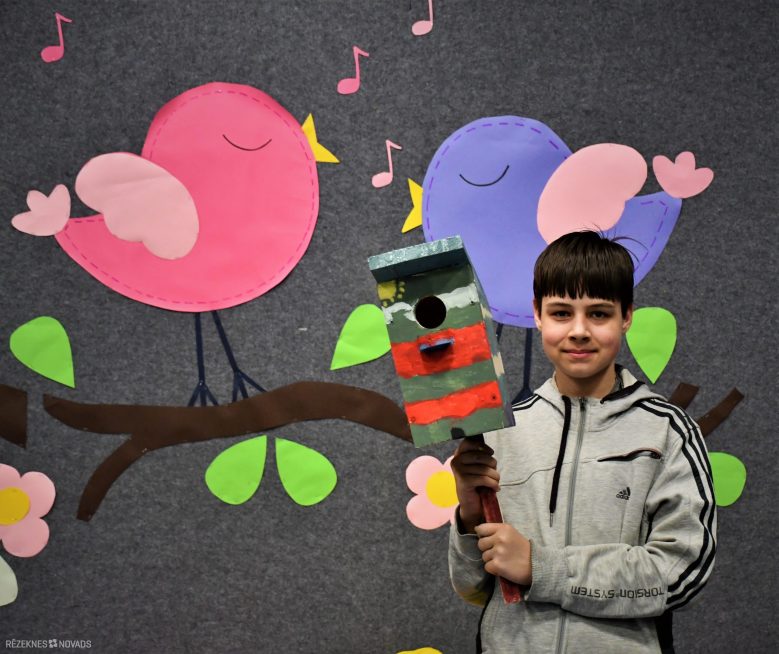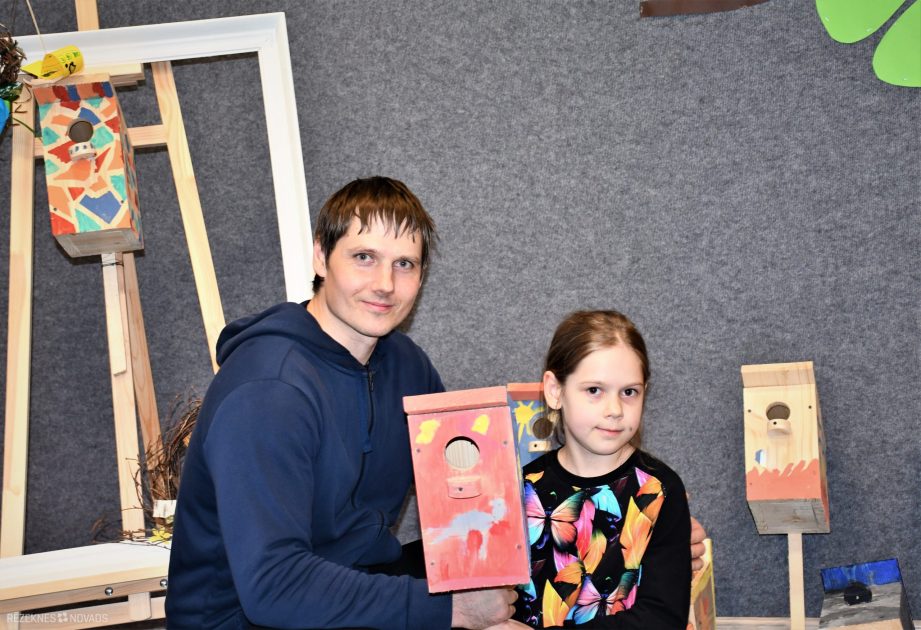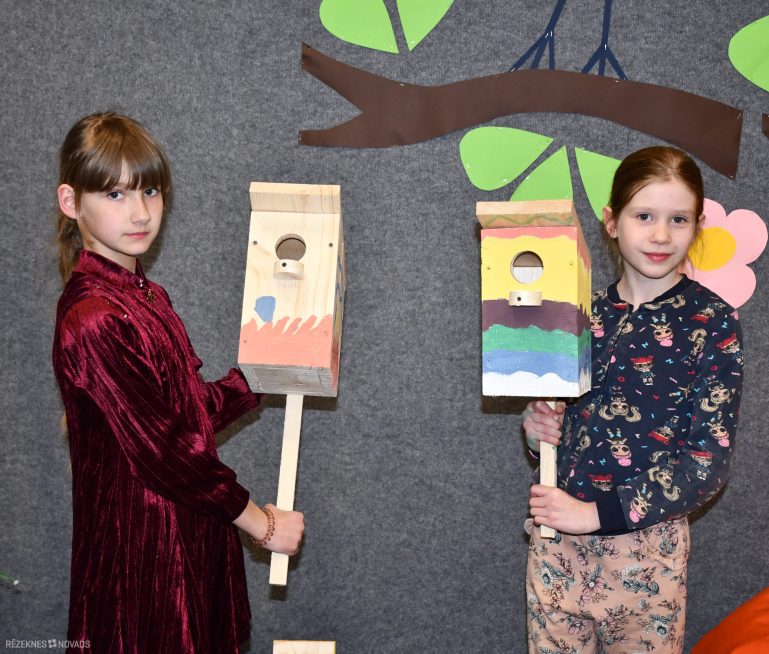
The trees in the Maltese streets were painted by 30 child-painted bird cages
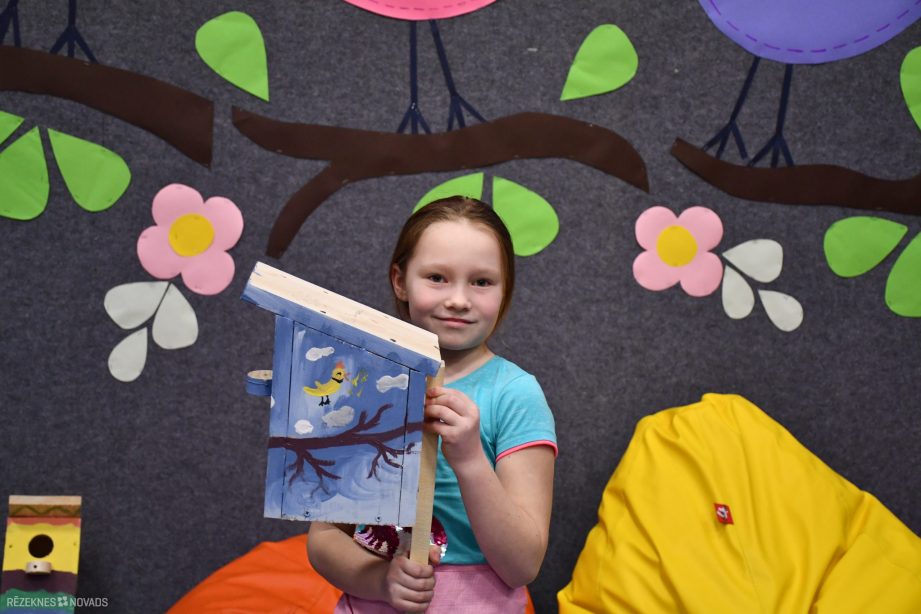
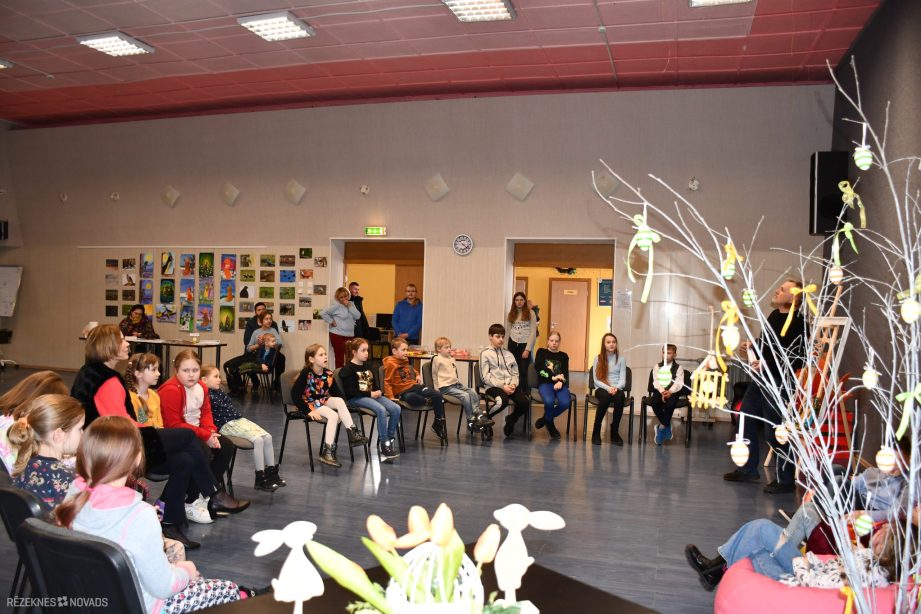
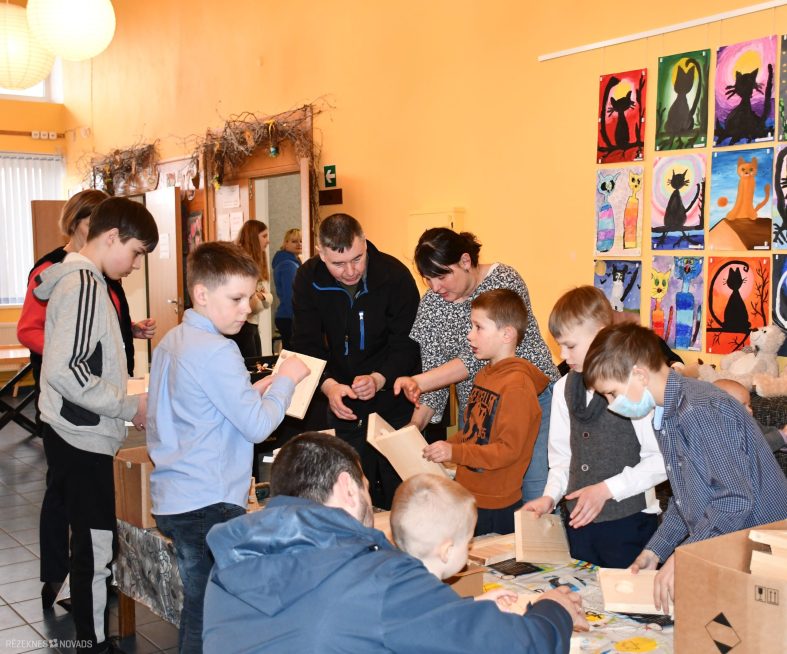
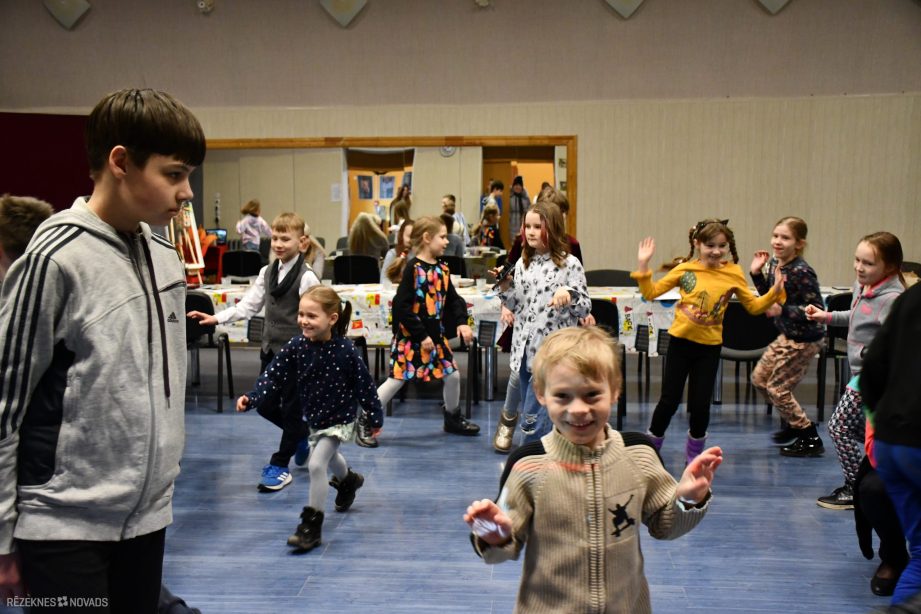
For the second year, Maltas of children and youth centres organised workshops for the production and painting of bird cages. Last year, the activity took place in the family circle at home, but this year, due to the cancellation of restrictions, the children were able to meet on 5 April at an event that listened to both the narrative of an experienced forest and could be prepared and colored in the cages and participate in the masterworkshop “birds in the language”.
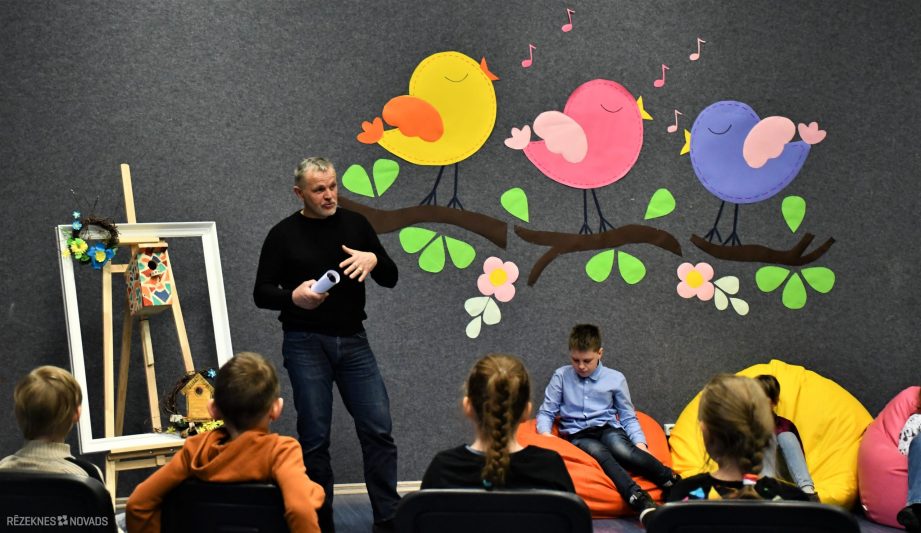
The visitor of the event was Alexander Luban, Vice-President of Eastern Latgale Forestry, who has been working in this field for 34 years and in a language that was comprehensible to children, about how ancient birds are, what creatures and bird sockets, and how a man can help these small wings so that they can also be useful to people (eating insects and delight with songs). MR Luban said to the children, “Each bird has its own cages; the cages are Karina, not the tree; they must not be made from a planted tree and the size and arrangement of the bedside should be considered so that the cage does not become predators; the typical cages in Latvia are the strains of the house; the most cavity of the cavities and the black yarn that is able to operate even in the green tree”. He also said that the birds were essentially “small dinosaurs” who were long before the man, at first they had lived on earth, later when the woods came, the birds found themselves in the trees. Then a man came up and began felling the woods to build a house, and the birds had to “break” in their powerlessness. But the same man also thought he could help birds. It turns out that people are helping not only the sticks in the sockets, but also the ducks make a specimen socket (from the pipes and hay around them), as well as the peaks and sweaters can be a great support for the creation of dwellings in the vicinity of the quarries. “The birds can live in the most unthinkable places, i've seen them set up a house in a tractor trailer, a compact, old refrigerator, even in an empty bucket, essentially all that the man throws.” But they don't need showers or toilets in our creatures, they need more people, birds, if only a little. “But every cage is aid to the bird world!”
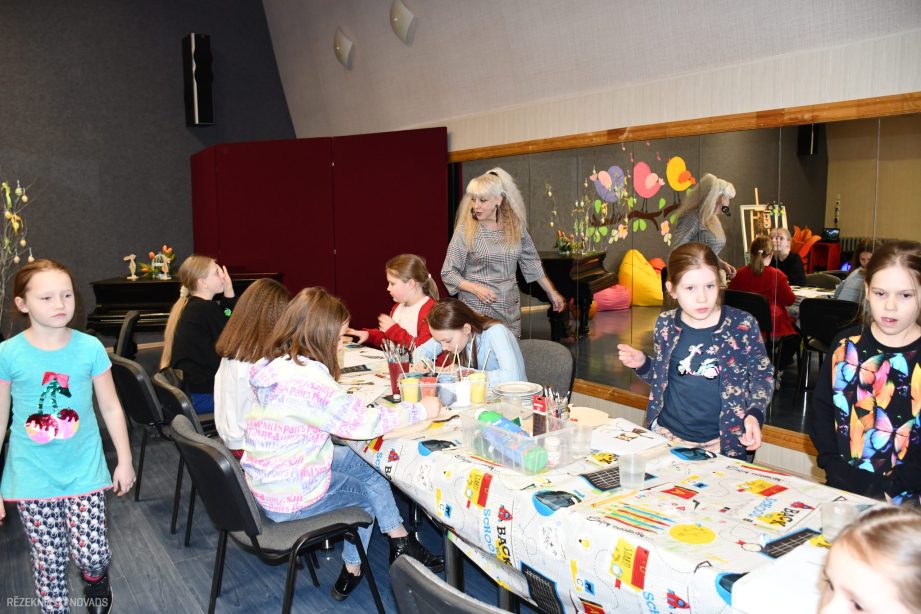
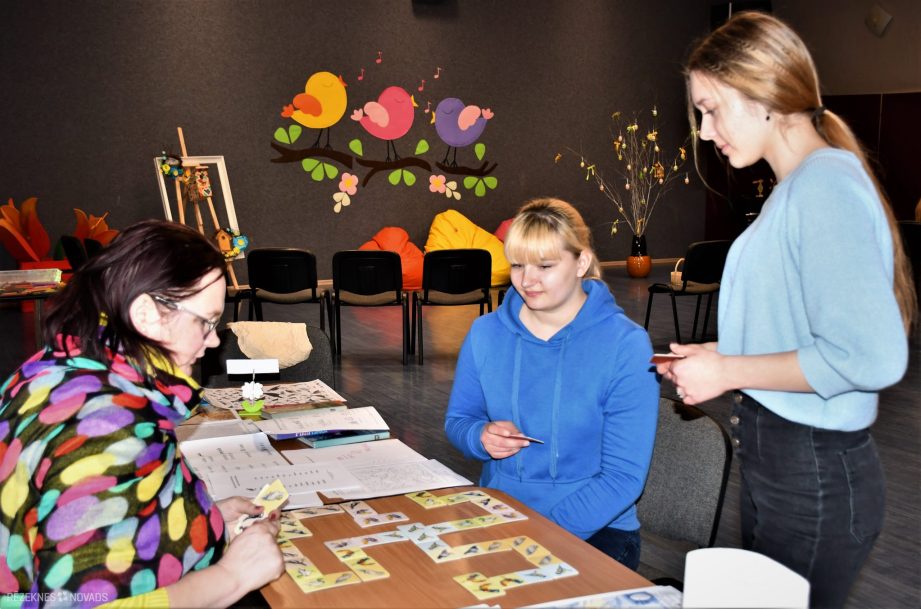
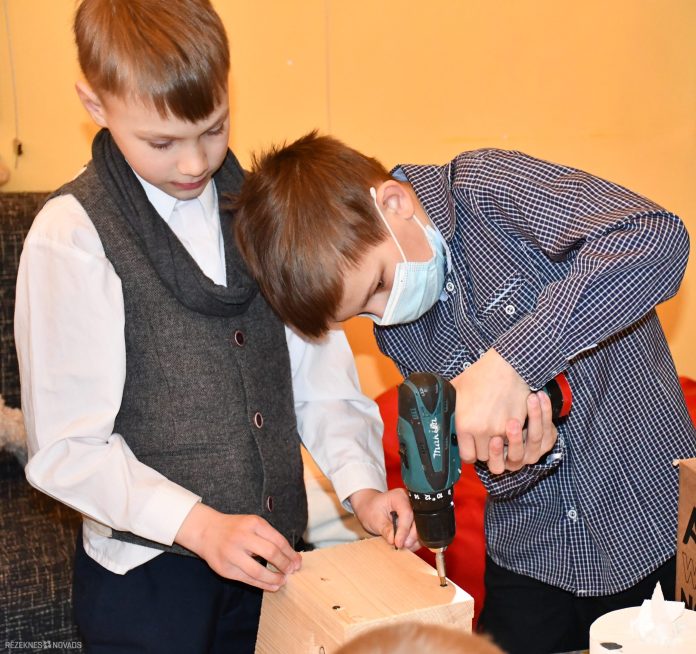
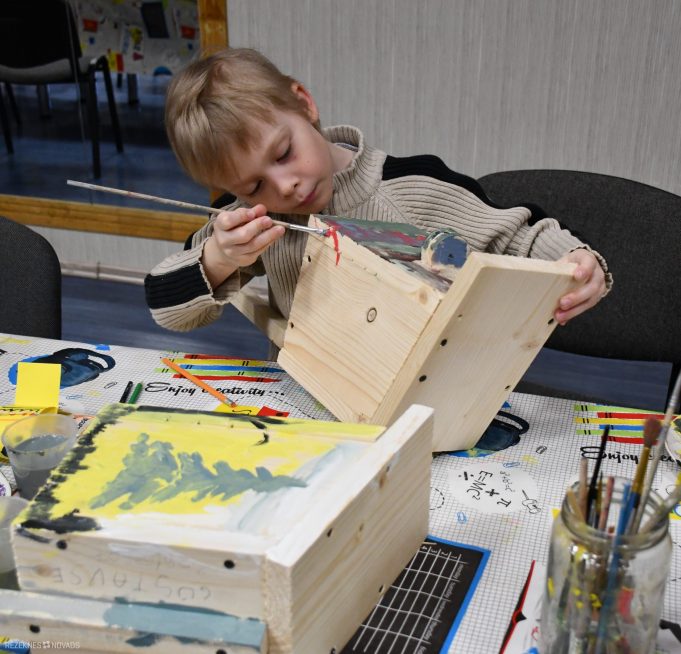
After hearing the narrative and answers to questions, the children went to work in masterworkshops where they could mastered the cages (Alexander Mironova and BJC's housekeeper in Krūza), painting ready-made cages (under the direction of Vita Kapostina-Tučes), as well as using a waterproof colours to decorate wooden birds (manager-teacher Antoņina Vasilieva). On the other hand, an erudition could be tested in the “bird-language” workshop (under the direction of Skaidrice Sviksas), performing both a variety of tasks and writing the word “bird” in Chinese, Arabic, and playing the domino of birds. Similarly, the knowledge complementary activity was in the telephone to find the cities of Latvia, whose name, coat of arms, or other symbol of the municipality shows birds (incidentally, since 2002, a bird of the bird municipalities is organized).
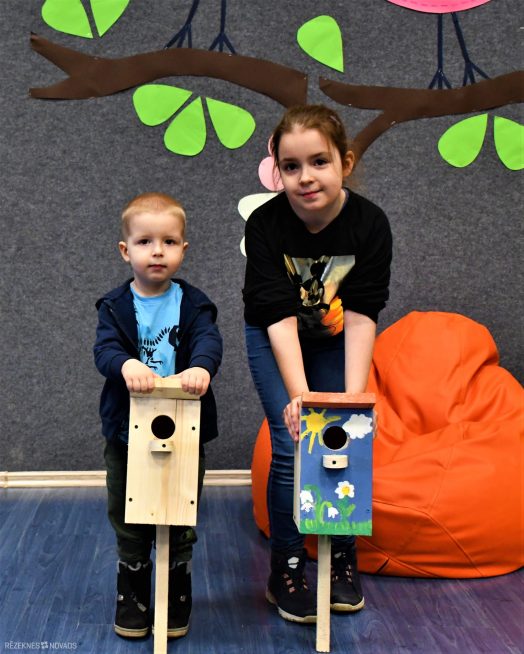
Although MR Lubans pointed out that the birds do not necessarily need “Eurorepair”, namely that their homes are painted, the children's activities and creativity are evident, so that all the cages will be placed in Maltas in the village environment that year – in trees in various streets (under the cages, the children wrote the streets they live in, so they can see their works by walking on the village).
It should also be noted that the activity dedicated to the day of these birds will be complemented by a summary of the results of the video and photo stock “Spring Spring”. ON THE BJC page, “Facebook” is planned to deploy all the materials you have sent to find the most sympathetic spring sounds and views IN Maltā and its surroundings!
Thanks_to Maltas for the parish administration for building materials and equipment (personally Igor Sorokinam), as well as 10 cages were made and the other blanks were cut by Genadie Tarakanov. The help of the masterworkshops was provided by the association “be healthy” trainee Karina Varslavāne, as well AS THE BJC volunteer youth Solveiga Lozda and Adriana Poplavska. The concept of activity was developed and managed BY BJC Methode Inta Bule.
This event was definitely a credible message: for our home and the world to hear the voices of children and birds, and a sunny spring is coming.
Skaidrite Squicky, a teacher of the Commands Detective