
Zero pollution: Europeans are concerned about air quality
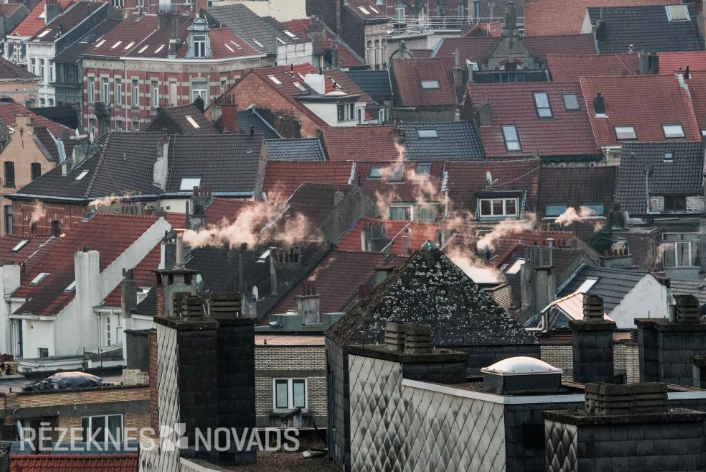
Today published Eurobarometer Special Survey shows that Europeans are concerned about the impact of air pollution on health and the environment. Most also believe that industry, public authorities and employers need to do more to improve air quality. Respondents explicitly support an international or European approach to improving air quality and the majority of respondents who have heard of EU air quality standards believe that they need to be made stronger.
Commissioner for Environment, Oceans and Fisheries Virginia Mucovich:
Everyone wants to breathe clean air. People living in cities, asthma hospitals and those who live in the vicinity of industrial plants are worried and call on us to act. The Commission will take the lead in presenting an ambitious proposal to strengthen EU air quality standards.
Main findings of the survey
- Concerns about the impact of air pollution on health and the environment
Most Europeans believe that health problems such as respiratory diseases (89 %), asthma (88 %) and cardiovascular disease in their countries are serious air pollution problems. Europeans are also concerned about environmental problems caused by air pollution in water bodies, namely acidification and eutrophication (83 % for both aspects). Acidification (water becomes more acidic) and eutrophication (excessive levels of nutrients in water contribute to the excessive proliferation of algae, which in turn reduce the amount of oxygen for other organisms) is one of the main effects of deterioration of water quality.
- Air quality has deteriorated
Almost half of the respondents believe that air quality has deteriorated over the past decade (47 %). However, this share has decreased by 11 points since 2019.
- Support for strengthening EU air quality standards
The Eurobarometer reveals that citizens lack information on air quality problems in their country. Most Europeans are still poorly informed about existing EU standards, as only a small proportion of respondents (27 %) have heard about them. However, most respondents (67 %), who are aware of EU air quality standards, argue that they should be strengthened. It thinks in almost all Member States, except in five.
- Support for more active action to help improve air quality, particularly at international level
Most Europeans believe that air pollution should be addressed at international level (65 %), then at European and national level (for both answers, 42 %) and finally at regional or local level (32 %). A significant proportion of respondents also consider that actions should be taken at all levels (19 %).
- Individual action to reduce harmful emissions
Most Europeans believe that large industrial plants, energy producers using fossil fuels, state authorities and employers do not do enough to promote good air quality.
The majority also believe that the household sector is doing enough. Compared to 2019, respondents are likely to have acted more actively this year to reduce emissions themselves. In order to reduce harmful emissions to air, Europeans report the most frequent choice of public transport, cycling or walking.
As announced European Green Course in relation to zero pollution targets to achieve a toxin-free environment, the Commission intends to propose a review of existing EU air quality standards in order to align them more closely with latest World Health Organization (WHO) Recommendations and strengthen the rules that will help local authorities to get the air cleaner. In order to help implement these standards in practice, the revised proposal will also focus on better implementation.