
Viļāni Local History Museum
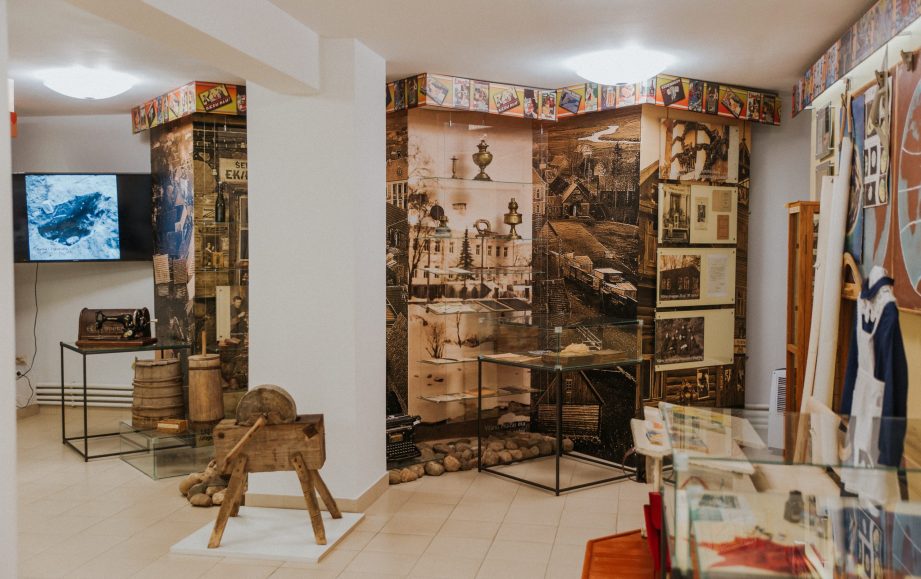
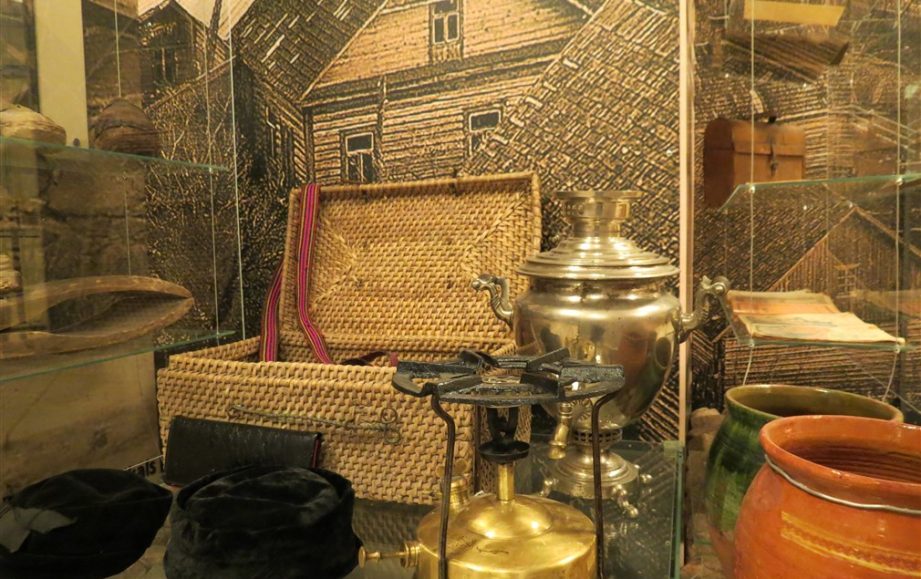
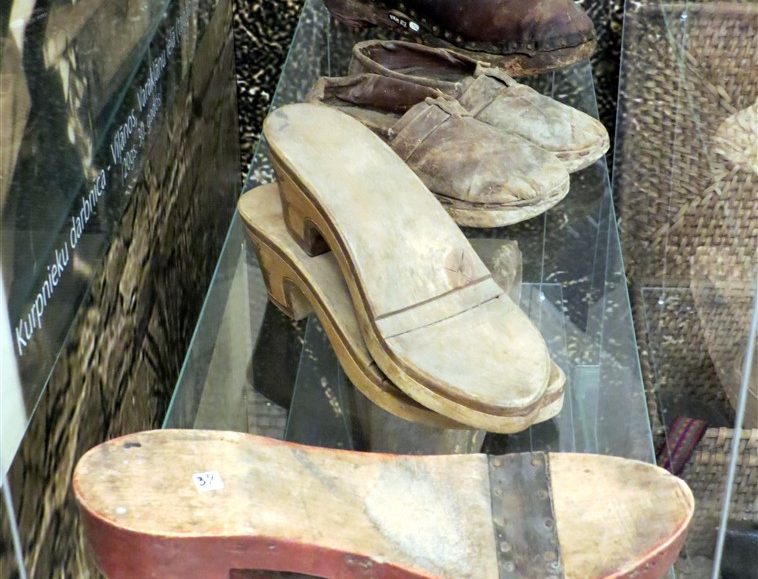


The museum is located in the central part of Viļāni. It is a place that gives every traveler the opportunity to open the pages of the history of Viļāni region: "Viļāni region at the turn of the century", "The story of the flax seed", "Latgale and its inhabitants in the 19th century in the ethnographic works of the Polish researcher Stefanija Uļanovska".
In the exhibition hall, works of art and crafts by both local residents and guests from further afield are constantly on display.
The museum's "Viļāni Historical Trail" excursion will introduce you to the heritage left behind by recent centuries.
Educational programs developed by museum specialists help students gain broader knowledge about individual sectors of human activity.
The language of the exhibition: Latvian and Russian.
The museum was founded in Viļāni Secondary School in 1954, but already in 1958 it gained general recognition and supporters. In 1969, the Rēzekne District Executive Committee awarded it the honorary title of People's Museum. On September 1, 1995, by the decision of the Viļāni City Council, the museum was granted Viļāni City and County Local History Museum status.
The Viļāni Museum of Local Lore was established thanks to a passionate local historian, who has now passed away. Napoleon Rudko, who from 1949 until his retirement worked as a geography teacher at Viļāni Secondary School, at the same time worked in local history and also managed the established museum. Thanks to the teacher's talent, warmth of heart, ability to inspire, N. Rudko encouraged students to collect museum exhibits. This tradition continues to this day, as hundreds of city, county residents and students replenish the museum's collections by donating wonderful antiques!
The museum offers visitors 3 permanent exhibitions:
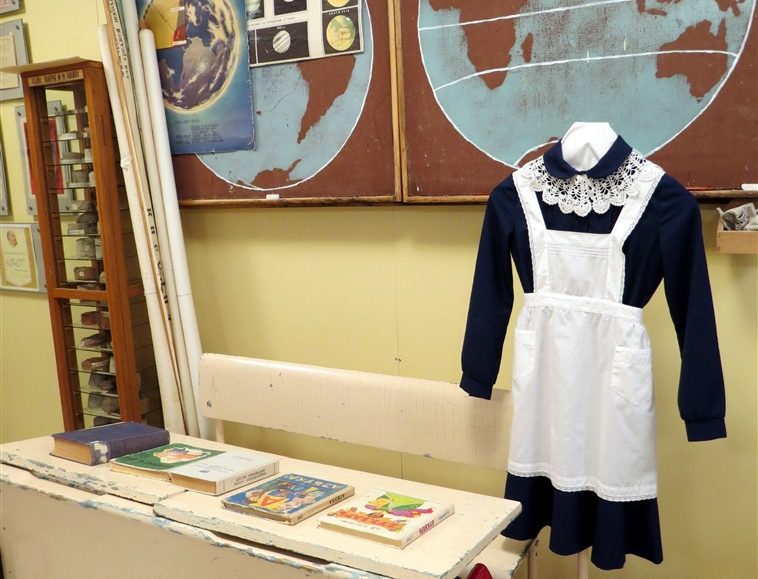
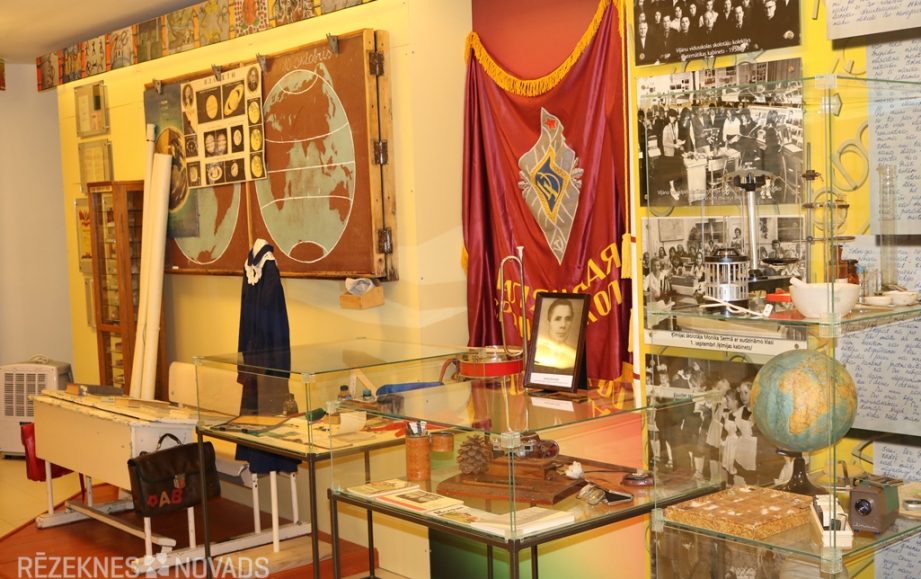
1. Exposition, which consists of three blocks: Viļāni district 9th-12th centuries; Viļāni Latvia in the years of the first independent state; Education in the 20th centuries 50s- 80s.
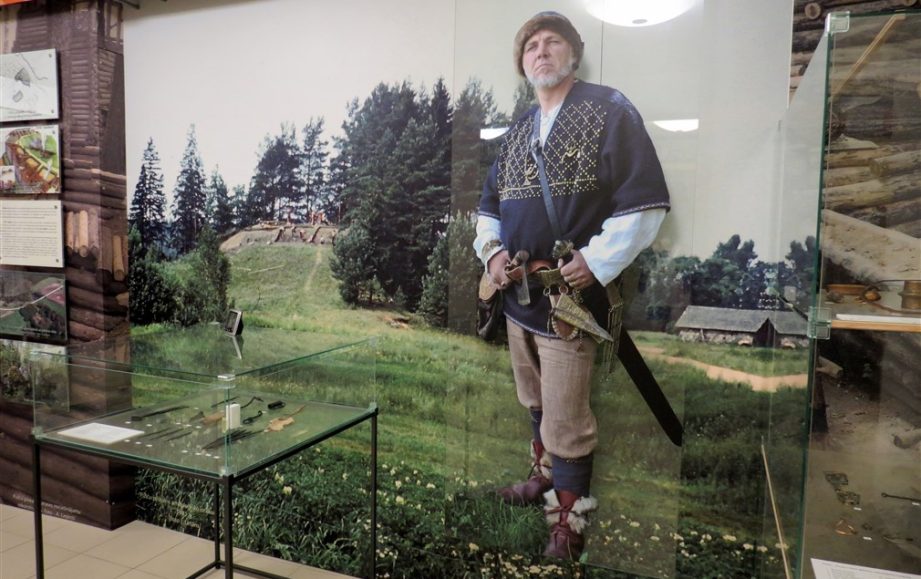
Block 1 of the exposition is based on the archaeological excavations conducted by J. Urtāns in 1981 at the Piziči castle mound, providing an insight into the 9th – 12th centuries, while the legend and story about the ancient cult place Velna akmenė enrich the understanding of the living space of the people of that time. Block 2 of the exposition helps to delve into the economic activities, education, religion and politics of the inhabitants of Viļāni region during the years of the first independent state of Latvia. A fragment of the original city pavement has been created on the floor, through which the visitor visually and figuratively enters the 80+ year old past. Block 3 of the exposition opens an insight into the education system of the USSR. Those interested are given an insight into the classroom, teaching and visual aids, awards, school uniform, and attributes of that time.
2. "The Story of the Flax Seed"
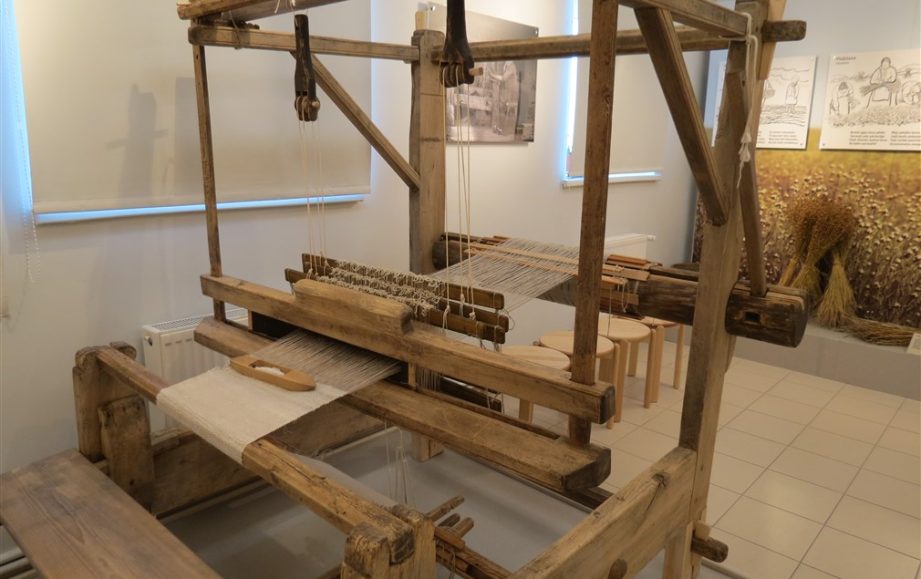
This is the story of how flax was sown, harvested, unbuttoned, soaked, kneaded, threshed, brushed, spun and woven in the first half of the 20th century. The exhibition is like a small "journey through time", which in the context of this topic begins with a seemingly simple flax seed. The process of growing and processing flax is shown in a language that is both visually and textually understandable to children and adults. The visitor gains an insight into the process of how a flax seed turns into fabric.
3. "Latgale and its inhabitants in the 19th century in the ethnographic works of the Polish researcher Stefanija Uļanovska".
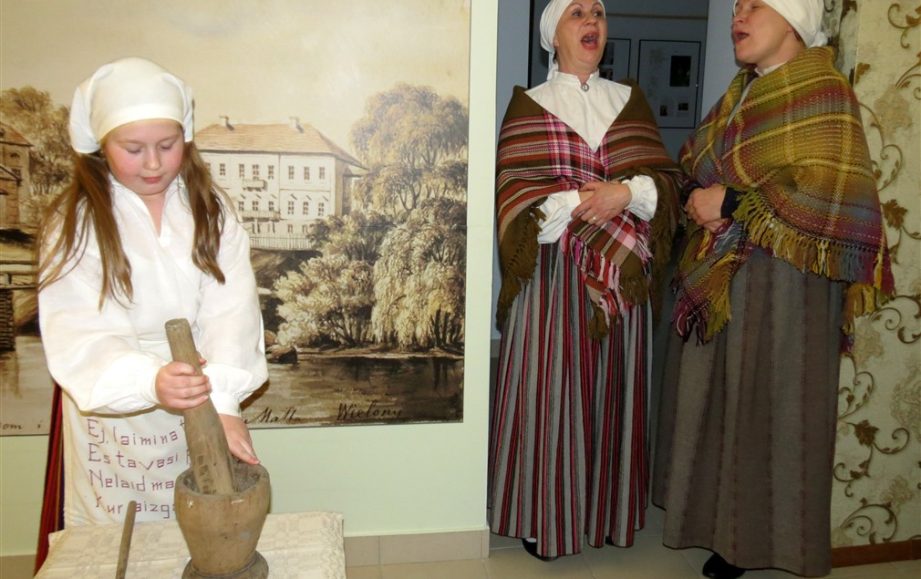
It is a story about the traditions, customs, everyday life, and oral literature of people living in the Viļāni area of Rēzekne district in the second half of the 19th century. It is a story about the Polish researcher S.Uļanovska, who lived in Viļāni for several years and collected valuable ethnographic material, as well as a large range of ethnographic descriptions.
The museum offers: educational programs, excursions on the cultural and historical sites of Viļāni. The museum has a separate exhibition hall, where works of art and crafts by local residents and guests from further afield can be viewed, as well as thematic exhibitions created by the museum staff themselves.
Opening hours: September-May
Mon 8.00–16.30
Mon 8.00–16.30
Tu 8.00–16.30
Wed 8.00–16.30
Fr 8.00–16.30
Opening hours: June - August
Mon 8.00–16.30
Tu 8.00–16.30
Wed 8.00–16.30
Thu 8.00-16.30
Fr 8.00-16.30
Saturday, Sunday and outside working hours - by prior arrangement.
Entrance fee:
Adults: 1,00 EUR.
For pupils, students, pensioners: 0.50 EUR.
For preschool children, students of educational institutions in the Rēzekne region, persons with disabilities, orphans and children left without parental care, holders of the “Honorary Family” certificate: free of charge.
Exhibitions on display at the museum:
- Viļāni area in the 12th-13th centuries.
- Viļāni in the years of Latvia's first independent state.
- Education in the 20th centuries 50s-80s.
- The story of the flax seed.
- Latgale and its inhabitants in the 19th century in the ethnographic works of the Polish researcher Stefanija Uļanovska.
Museum educational programs for students (for groups of 10 people):
- The story of the flax seed.
- Ancient Latvian symbols of power
- In the footsteps of Stefanija Uļanovska
- The history of writing instruments
- The history of writing instruments
Contacts: phone: +371 26476570, e-mail: muzejs-vilani@inbox.lv
| Address | Cultural area 2, Viļāni, Rezekne municipality, LV-4650 |
| Coordinates | 56.551867; 26.922941 |
| Phone | +371 26476570 |
| muzejs-vilani@inbox.lv | |
| Homepage | kulturasdati.lv/lv/muzeji/vilanu-novadpetniecibas--muzejs |