
Stolerovas civil parish


6162.3 ha
Pagasta kopējā platība
146.9 ha
ūdeņi
2105.0 ha
meži
3110.7 ha
l/s izmantojamā zeme
495
Iedzīvotāju skaits (uz 01.01.2026)
Maximum sentence length exceeded.
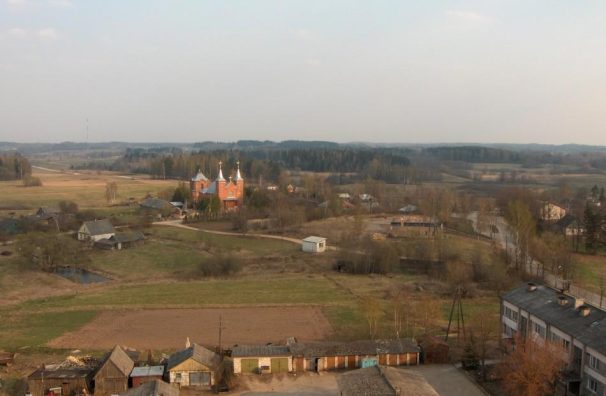
THE southern part OF THE parish OF Stoļerovas is a hill, mountains with hollows of larger and smaller lakes that are surrounded by marvelous natural landscapes in rich forest arrays. In the northern part of the parish, the terrain is flat, the largest part of the area occupied by agricultural land.
THERE are ten lakes in THE parish OF Stoļerovas: Vilnius, Sport, Rikaples, Ancowa, Parts Lake Lake, Stoļerovas, Poludu, Zverz, Slujevo and the Black Lake. The parish area is crossed by the Rēzekne river, where the Spruuktu HES was restored in 1996. Through Stoļerovas parish in the north-south direction, the 2 nd class country road Rēzekne – Stoļerova – Kaunata is stretched.
For interesting facts, there is a history of Stoļerovas parish. A skilled craftsman has ever lived here, the builders who are called “stools” in Russian, and the name of the parish. A local government, Rozenmuiža parish, was located at Rozenmuiža in Rozenmuiža. After the establishment of the Latvian state, from 1920, the parish was renamed Rēznas civil parish. In 1939, the parish area occupied 24 583.4 ha, with 10 930 residents living in parish. Ten schools, three watermill, agricultural association, several public organisations were active in the area.
Stoļerovas parish identity
 Stoļerovas Iu. The Trinity Catholic Church was called a tree architecture.
The church was regarded as the most magnificent church of Latgale.
The church towers are crossed by a cross, whose ends are waterroses.
Therefore, the Stoļerovas logo is selected as a waterrose; and used elements from the Rēzekne municipality logo.
In 1945, the parish centre was moved to Stalerov and was renamed Stoļerovas parish. In 1963, the parish council was added to the council and part Kaunatas of the Council. Since then, the county of the county has not changed.
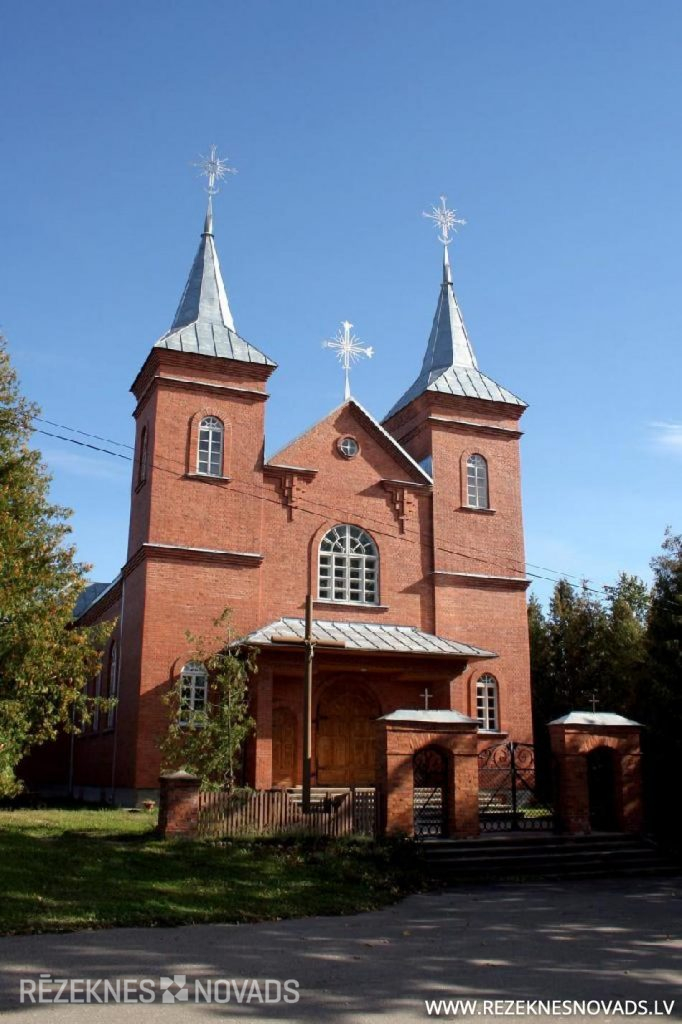
Saint-Holy Trinity Stoļerovas Roman Catholic Church at all times, there has been a significant place IN THE life of Stoļerovas parish. The previous, in 1770, on the monsieur Sokolovsky's funds from the wood-built church, called a tree architecture here, the most magnificent church of Latgale. No nails were used in the construction of the church, which was done only by the axe. The Manor wanted to build a wall church, but the then Russian government denied it. In 1870, thanks to the archbishop Pialcovsky, the closure of the church and the destruction of the statue of Jesus Christ's miracle, which the local governor had decided to do on the basis of the wandering talk of the magic powers of the statue, was not allowed. During Soviet power, in April 1968, the church was lowered and burned, the church's service was held in the church bell. In 1989, the construction of a new wall church was launched under the direction of Julijana Butan, which took part in the majority of the parish population. In June 2000, the church was completed and sanctioned. A fence with gates, which is a cultural monument of national significance, remains from the old church.
.
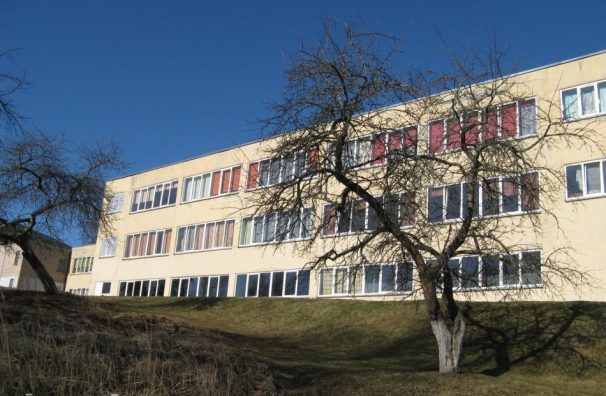
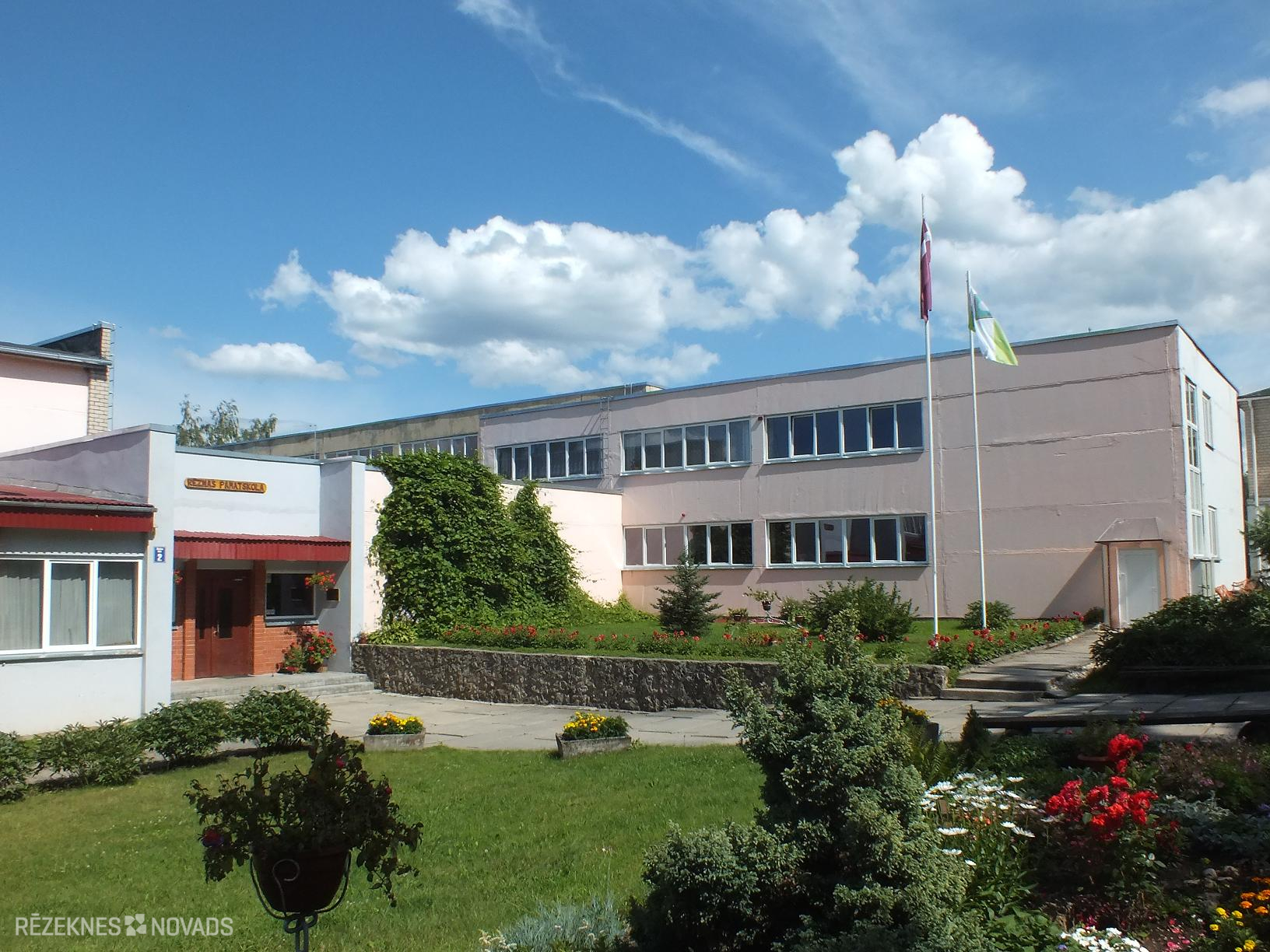 Rēznas elementary schools history began in 1908 when a Stoļerovas trader repaired some of his home and transferred it to the local government. 95 students began learning at school. As the number of students grew, a few years later, the estate-manager Sokolovsky built a new building for special school needs. But in 1923 the school moved to the Manor Radzevich residential house, where it existed until 1980 when a new school building was built. From 1922 until 1932, the schoolteacher worked as a teacher at Latgale Cultural Employee and writer Meikuls Apos (1901-1942). For nearly fifty years, from 1951 to 2000, a teacher, Anton Gribusts, worked as the school's director.
.
Archaeological heritage and personalities
Stoļerovas parish is associated with many historical sites and interesting personalities. Here you can see the archaeological monuments of national significance: Gerardova's ancient tombs, the Ricopole's ancient graves, and the 1812 Tēvian war grave, the archaeological monument of local significance, a medieval cemetery of Rudzates (Swedish grave). Many romantic legends have been covered by former Rosica Manor and its founder, a respected scientist, farmer, agronomer, botanist, publicist, head of the Rēzekne District Manor Juzefs Gerald—Vižickis (1792-1868). He is the author of economically technical herbarium and other books published in Vilnius in 1845 and the author of many scientific articles, talented and diligent manager of his estate. A Polish writer Jan Obst (1876-1941), whose mother was born from Stoļerovas Manižnieku Sokolovsku family, was responsible for the beauty of Rosica's manor and the contemporary design in later years. The later owners of the estate, the Russian estate-holders, Hļebnikov, were significant Russian entrepreneurs and cultural workers. From this family, the factories Feed Halebnikov, the poet Velimir Hļebnikov, and others.
No less interesting is the history of the other Polish-Manor Bannislavsky family, which is closely intertwined with the Russian culture of the 20 th century. Stoļerovas parish in Ricopole Manor, his early childhood and school holidays, in a pansy in Vilnius, then in Preobrazsky's Gymnasium in Petercastle and later at Harkowa University, was accompanied by Gaļina Benislavsky, (1897-1926), a Russian poet Sergei Yesnen's beloved woman and girlfriend. She cared for the publication of the poet's works, repaired poems, compiled supplies, poured the author's half-dead fears and letters, was one of the poet's few, the real friends who tried to save her from the damaging, damaging effects of the bohemian. On December 3, 1926, Gaļina shot down to S. Yesnen's tomb. In a farewell note, she wrote that everything that was expensive for her was lying here. Galina Bannislavsky was buried next to the poet.
Economic activity
IN Stoļerovas parish, many susceptible, working people are living, economic activity is observed. With very good achievements in agriculture and high agricultural culture:
- LKS “grain-2 '” (cereals),
- SIA “joint work” (mixed agricultural-crop and dairy farming)
Modern wood processing plant in parish is SIA “Baiba”
Stoļerovas pagasts var lepoties ar stiprām bioloģiskajām zemnieku un piemājas saimniecībām, kā arī individuālo uzņēmumu:
- organic z/s “beans” (dairy farming, Ivars Arbidan),
- organic z/s “flame flowers” (grain, beef production, Janis Arbidan),
- organic z/s “Martians” (grain, Martin Arbidan),
- z/s “Elders” (cropping, Raimonds Luca),
- z/s “Lakhastola” (animal husbandry, Tatjana Katkovsky),
- z/s “Madalesia” (dairy farming, Juris Garda),
- household farm “sources” (sheep farming, dairy farming, Veneranda Senkane),
- farm farm “black fever” (cereals, livestock farming, Evald Spruts),
- home farm “Adriatic” (animal husbandry, Aigars Spruts),
- individual company Suleima (trade, Alexander Petuhov)
Z/S “flame flowers”
The farm “flame flowers” was established in 2012 with a few tens of hectares of land. 1326 hectares of agricultural land are currently being processed. The farm is specialised in cereals. The company operates as a farm farm. The second branch of the Arbidan agricultural sector is livestock farming. Beef cattle are grown. Forestry is also a sector of the specialisation of the farm.
The activities of the company are based on a meaningful, systematic, motivated and development-driven work. In order to develop entrepreneurship, a production base – modern machinery and equipment – is fully provided on the farm. This gives an incentive to the employees of the company to work responsibly and financially. With pride, they tell the story of the success and the work they have done. In order to increase the efficiency of production, a grain of grain has been built, a technical area, built-in repair shops. The development of “flames” was facilitated by participation in six EU projects.